Cosmetic, Sleep & TMD
TMD Treatment
If you've ever said "I have TMJ" to describe jaw pain or clicking, you're in good company, it's one of the most common things we hear. But it's worth clearing up, because the terminology actually points to two different things. TMJ stands for temporomandibular joint, and it's simply the name of the joint connecting your jaw to your skull. Everyone has two of them, one on each side. TMD, or temporomandibular disorder, refers to a problem affecting that joint or the muscles around it, things like pain, clicking, popping, or difficulty opening and closing your mouth comfortably. So when something feels off with your jaw, what you're actually dealing with is TMD, not TMJ. It's a small distinction, but getting it right matters, especially once you're trying to understand what's going on and what can be done about it.

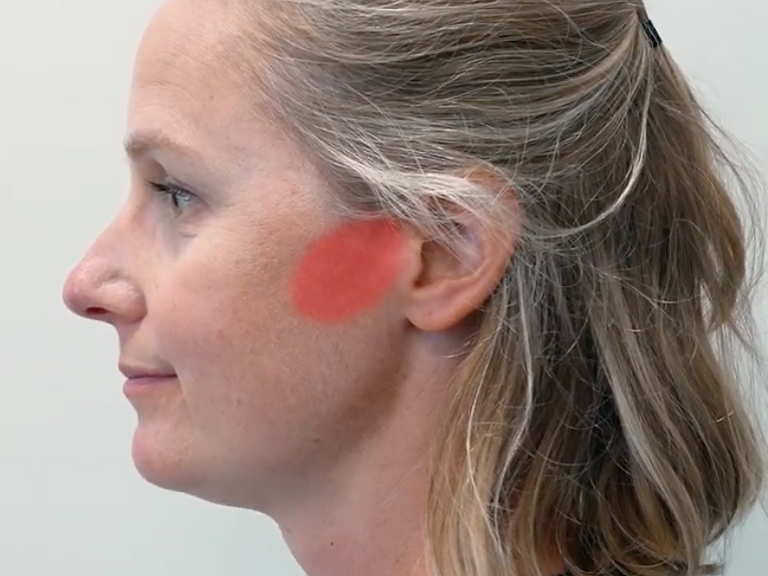
Get the terminology right
TMJ or TMD?
The distinction matters more than you might expect. Toggle between the two to see the difference.
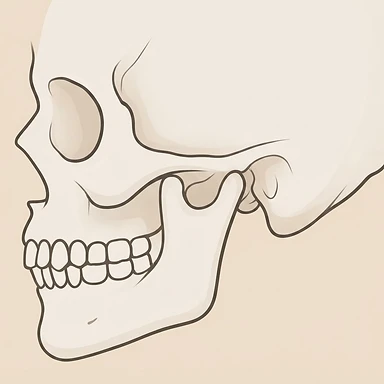
The temporomandibular joint. Everyone has two, one on each side. It's simply where your jaw connects to your skull, and it lets you talk, chew, and yawn. Having TMJ isn't a problem, it's anatomy.


Going deeper
What TMD can look like
TMD doesn't look the same for everyone. Some patients notice clicking or popping when they open or close their mouth. Others experience jaw pain, soreness in the muscles around the jaw, headaches, or a sense that their bite doesn't come together the way it used to.
Symptoms can be mild and occasional or more persistent, and they can affect people of any age, not just older adults.
The short version
Five things worth knowing
If you read nothing else on this page, read these.
TMJ stands for temporomandibular joint. Everyone has two, one on each side, whether or not anything is wrong with them.
What can contribute to TMD
A number of things can play a role in TMD, and it's rarely just one cause. Clenching or grinding, whether from stress or another underlying factor, puts extra strain on the joint and surrounding muscles.
Changes in how teeth fit together, whether that was caused by wear from grinding or orthodontic relapse over time, can also contribute, since the jaw sometimes ends up subconsciously searching for a bite that feels right. In some cases, the joint itself changes over time, including bone changes that can gradually shift the bite. We'll look closely at what seems to be driving your particular symptoms rather than treating TMD as one single condition with one single cause.

Going deeper
Why we pay close attention to changes in the joint
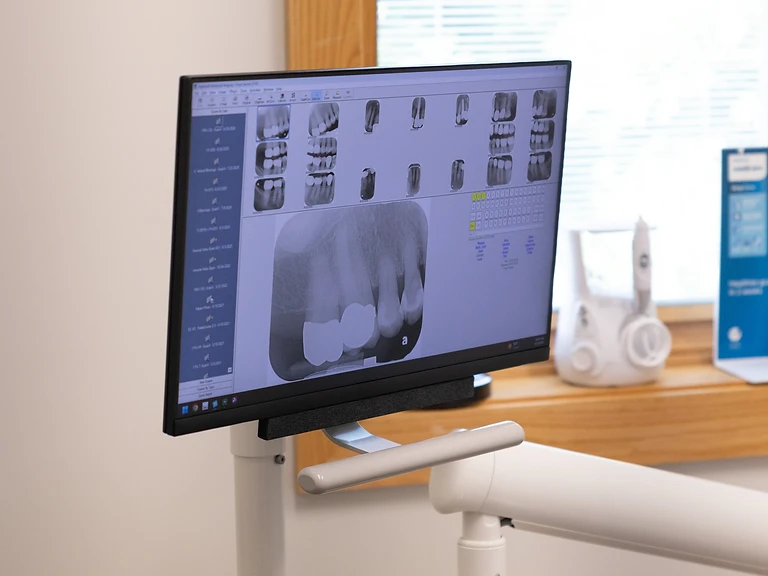
The standard imaging for the jaw joint is an MRI, which shows the soft tissue and disc in a way dental x-rays can't. But dental x-rays are still useful as a screening tool, because they can reveal surface changes in the bone that sometimes point to something bigger than TMD alone. In some cases, those surface changes have led to identifying other health conditions that needed a physician's attention.
We're not physicians and we don't diagnose conditions outside the mouth and jaw, but when something in the joint looks worth a second look, we'll say so and help you take the next step.
How we approach treatment
Because TMD has so many possible contributing factors, treatment isn't one-size-fits-all. Depending on what we're seeing, that might include a night guard to reduce the impact of clenching or grinding, adjustments to address how your bite comes together, or coordination with other providers when something looks like it goes beyond what we can address here.
We'll always explain what we think is driving your symptoms and why we're recommending a particular approach, rather than jumping straight to treatment without that conversation.
Clenching and grinding sometimes tie back to sleep, including patterns that can signal sleep apnea. If that connection seems worth exploring, we'll bring it up.
The connection to sleep

What to expect
What to expect at your visit
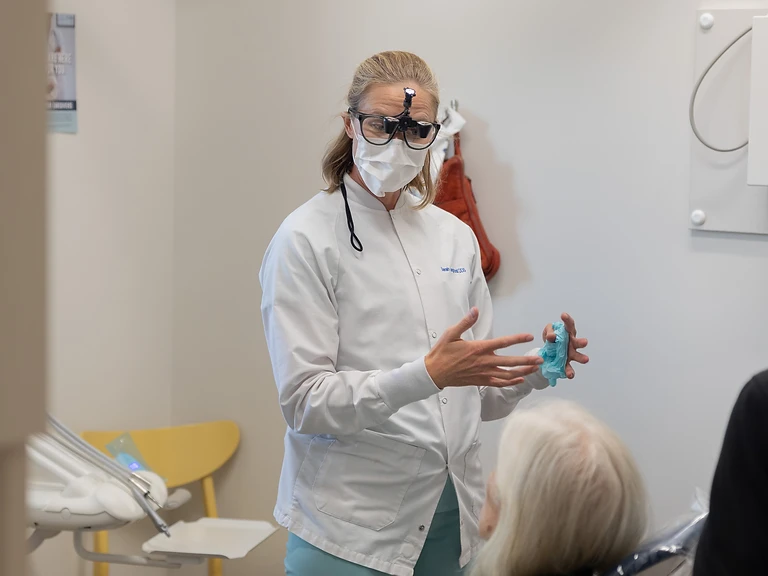
We'll ask about your symptoms, take a close look at your jaw, bite, and joint, and talk through what seems to be contributing before recommending any next steps.
More on what a first visit looks like on our new patients page.
Related pages
Where to go next
Night Guards & Bite Splints
A night guard can reduce the impact of clenching and grinding, one of the most common contributors to TMD.
Read moreSleep Apnea & Oral Appliances
Clenching and grinding sometimes connect to sleep-disordered breathing.
Read moreDental Exams
Routine exams include a close look at your jaw joint and bite.
Read moreDealing with jaw pain, clicking, or a bite that feels off?
Call or text us at 616-377-7708. We're glad to help you figure out what's going on. You can also reach us through our contact page.